
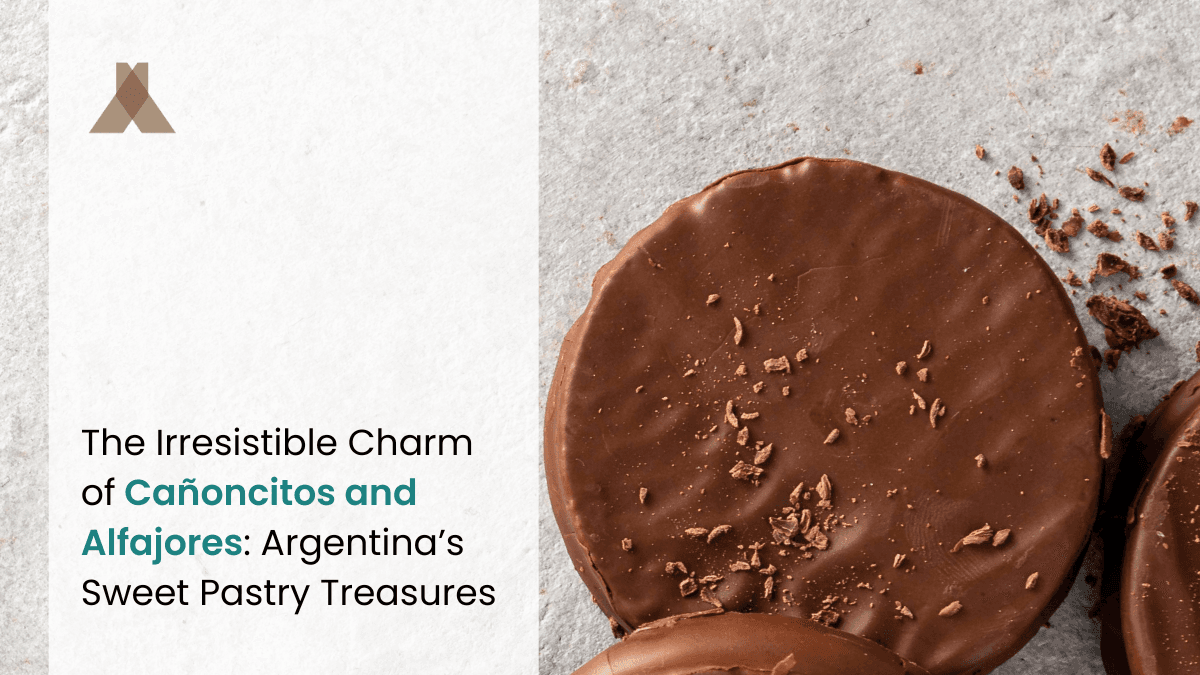
Tango, wine, beef, Messi. Argentina is renowned for many things, but there’s something that’s not very well known worldwide, Its exquisite pastry!
Argentine pastry is primarily influenced by Spanish and Italian immigrants who brought their baking techniques and traditions to the country and, over time, these European styles melded with local ingredients, creating a unique array of pastries.
Among the most beloved Argentine pastries are cañoncitos and alfajores, both presenting lots of dulce de leche, a caramel-like confection made from milk and sugar, which is a staple ingredient in many desserts.
Today, you’ll discover and explore these irresistible two pastries. We promise it’ll be a before-and-after experience!
First Things First: What Is Dulce de Leche?
This is an absolute staple in Argentina. Dulce de leche in English can be translated to “sweet from milk,” reflecting its primary ingredients: milk and sugar.
The preparation involves slowly heating sweetened milk until it caramelizes, resulting in a thick, creamy substance that has a flavor profile reminiscent of toffee or butterscotch.
Dulce de leche is commonly used as a filling for pastries (like alfajores), drizzled over pancakes, or as a topping for desserts such as flan and ice cream. Well, actually, it’s also enjoyed directly from the jar!
Characteristics and Varieties of Dulce de Leche
In Argentina, dulce de leche is made according to specific standards outlined in the Argentine Food Code, It must include cow’s milk, sugar, vanilla bean or essence, and a small amount of baking soda to aid in caramelization.
There are various types of dulce de leche:
- Traditional: Thick and dark, used widely in desserts.
- Light: A lighter version with reduced calories, free from fats and cholesterol.
- Repostero: A denser variant designed for baking.
- Heladero: Specifically formulated for ice cream production.
Cañoncitos: A Delightful and Classic Crunch in Argentinian Bakery
Cañoncitos are a classic in Argentina, known for their delightful crunch and creamy dulce de leche filling. These pastries are made from puff pastry rolled into tubes, baked until golden and crisp, filled with dulce de leche, and dusted with powdered sugar.
While the classic cañoncitos are filled with dulce de leche, some variations feature pastry cream or even chocolate filling.
Alfajores: The Irresistible Sweet Sandwiches in Argentinian Bakery
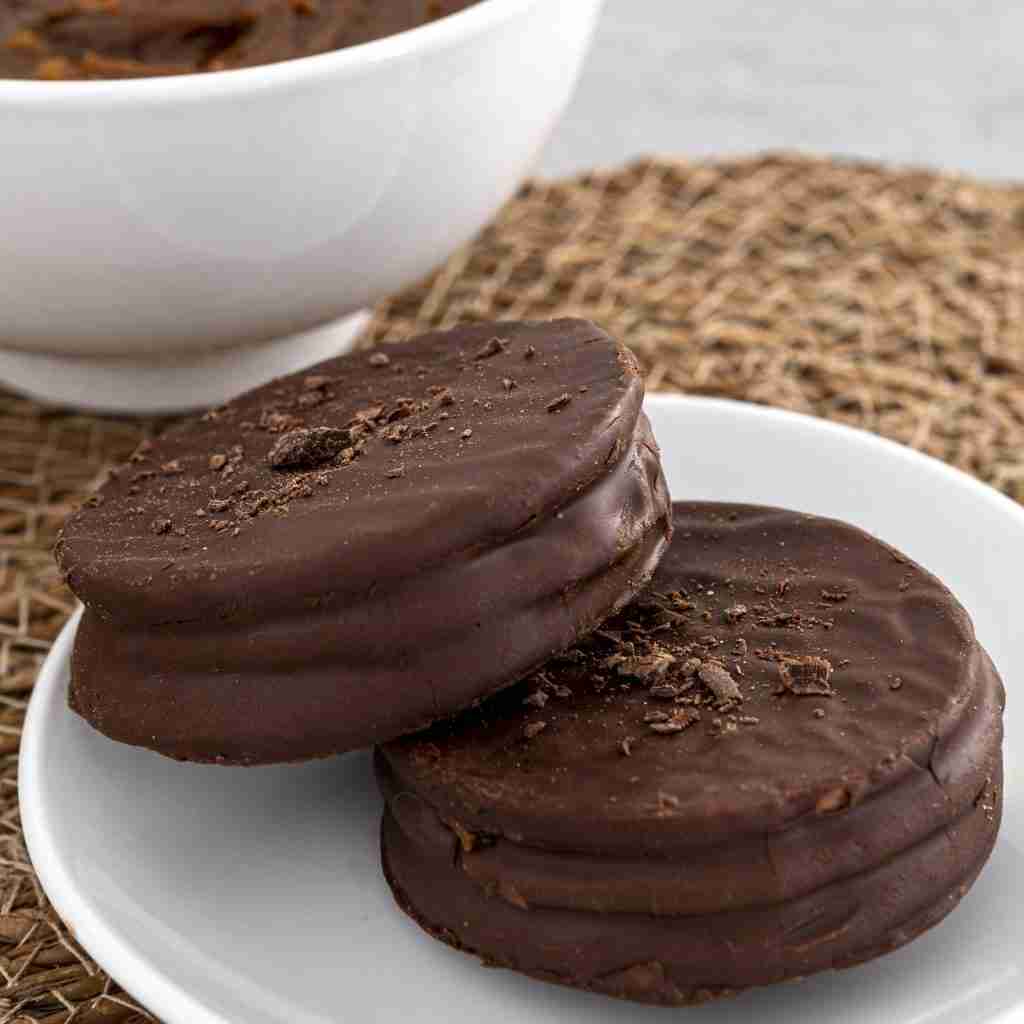
Alfajores are enjoyed by children and adults alike and at any moment; they are arguably the most iconic Argentine pastry.
These delightful confections consist of two soft alfajores cookies that sandwich a generous layer of dulce de leche. The cookies are often dipped in chocolate, but there are other versions such as alfajor coated in powdered sugar or alfajor de maicena (the cornstarch alfajor), characterized by its delicate, crumbly texture.
Also, there are various regional variations across Argentina, each with its unique twist, some are coated in white or dark chocolate, while others might feature fillings like fruit jams or delicious mousses.
Cañoncitos and Alfajores: A Key Part of Daily Life in Argentina
Pastries are an integral part of daily life in Argentina. They are often enjoyed during merienda, an afternoon snack that typically involves coffee or mate (a traditional Argentine tea) paired with a selection of sweet treats. This daily ritual is not just about satisfying hunger but also about socializing and taking a break from the day’s activities.
Beyond cañoncitos and alfajores, facturas (sweet pastries similar to Danish pastries), medialunas (a sweeter, smaller version of the croissant), and pastelitos (fried pastries often filled with quince paste or sweet potato jam) are also very popular.
Bringing Cañoncitos and Alfajores Home
Both cañoncitos and alfajores have transcended Argentina’s borders and become beloved treats worldwide.
Their unique flavors combine simplicity with indulgence, inviting you to savor a mouthwatering taste of Argentina. If you haven’t tried them yet, now is the perfect time to indulge in these delightful confections and experience a piece of Argentina’s rich pastry tradition!

.webp&w=3840&q=75&dpl=dpl_83gR1adiQaycFggxzt7HVVJLE7GK)

.webp&w=3840&q=75&dpl=dpl_83gR1adiQaycFggxzt7HVVJLE7GK)
.webp&w=3840&q=75&dpl=dpl_83gR1adiQaycFggxzt7HVVJLE7GK)
.webp&w=3840&q=75&dpl=dpl_83gR1adiQaycFggxzt7HVVJLE7GK)
.webp&w=3840&q=75&dpl=dpl_83gR1adiQaycFggxzt7HVVJLE7GK)
.webp&w=3840&q=75&dpl=dpl_83gR1adiQaycFggxzt7HVVJLE7GK)
.webp&w=3840&q=75&dpl=dpl_83gR1adiQaycFggxzt7HVVJLE7GK)